Kingston Road Upholstery Cleaning Experts Tolworth KT6
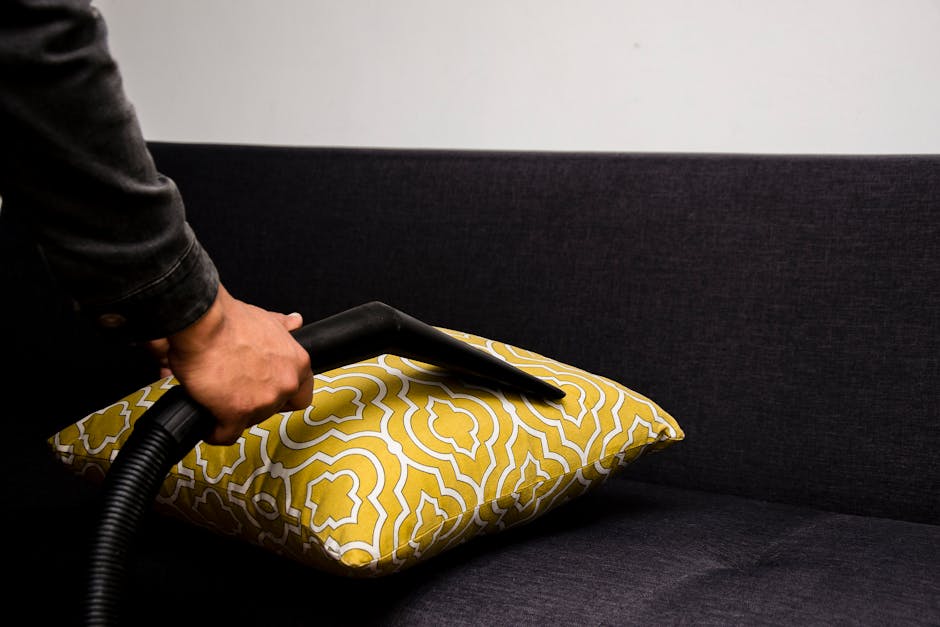
If your sofa has started to look a bit tired, your dining chairs are holding onto old spills, or the arm of the settee feels grimy no matter how often you vacuum, you are not alone. Upholstery picks up everyday life: crumbs, body oils, pet hair, drink marks, odours, pollen, dust, and the general wear that comes from actually living in a home. That is exactly where Kingston Road Upholstery Cleaning Experts Tolworth KT6 come in. This guide explains what professional upholstery cleaning involves, why it matters in a busy KT6 household, how the process works, and what to expect before you book.
Whether you are trying to rescue a favourite chair, freshen a family sofa, or compare cleaning methods before making a decision, the aim here is simple: give you clear, practical advice without the fluff. Let's face it, a clean sofa changes the whole room. It smells better, feels better, and somehow the place just seems calmer.
Why Kingston Road Upholstery Cleaning Experts Tolworth KT6 Matters
Upholstery is one of those parts of the home that quietly works hard every single day. Unlike hard flooring, it traps particles in fibres. Unlike a washable cushion cover, much of it cannot simply be popped into the machine. Over time, that means fabrics can look dull, feel sticky, or hold on to smells long after the original spill has gone.
In Tolworth and along Kingston Road, homes often deal with the usual mix of family life, commuting, pets, and compact living spaces where furniture gets heavy use. If you have visitors coming round, work from home, or just want your living room to feel less like a "we'll sort it later" zone, professional upholstery cleaning can make a real difference. Not dramatic, not magical. Just properly noticeable.
There is also a hygiene angle. Dust and debris can settle into sofas, armchairs, headboards, footstools, and office seating. While cleaning does not guarantee removal of every allergen or contaminant, a thorough deep clean can reduce built-up soil and leave fabrics fresher. That matters especially if you have children, pets, or guests using the space regularly.
Expert summary: Upholstery cleaning is not just about appearances. Done well, it supports fabric care, indoor freshness, and better day-to-day comfort, especially in busy KT6 homes where furniture works hard.
For readers comparing services, it can help to understand that upholstery cleaning is closely related to other fabric-care treatments such as sofa cleaning, curtain cleaning, and rug cleaning. The method changes depending on the textile, but the underlying goal is the same: remove built-up dirt safely and restore a cleaner finish without damaging the fibres.
How Kingston Road Upholstery Cleaning Experts Tolworth KT6 Works
Professional upholstery cleaning usually begins with inspection. A trained cleaner looks at the fabric type, construction, visible stains, colour stability, and any care labels. That initial check matters more than most people realise. A velvet chair, a synthetic two-seater, and a natural fibre armchair all behave differently when moisture and cleaning agents are introduced.
The cleaning method itself may include dry soil removal, stain treatment, controlled moisture application, agitation with a soft brush, and extraction or wiping depending on the material. In practical terms, the cleaner is trying to loosen soil without oversaturating the fabric. Oversaturation is where things go wrong: long drying times, water marks, odour, or wicking, which is when old dirt rises back to the surface as the fabric dries. Annoying, and more common than you might think.
For heavily used sofas or seats, technicians may pre-treat problem areas such as armrests, headrests, food spots, and pet zones. If odours are present, extra attention may be given to the source rather than just the surface smell. This is where a targeted service such as pet stain and odour removal can be helpful, particularly when accidents have soaked deeper into the padding.
Depending on the fabric and soil level, a specialist may also recommend pairing upholstery work with broader fabric or floor cleaning. If your furniture sits in a room with a lot of foot traffic, a combined approach with carpet cleaning or even steam carpet cleaning can improve the overall feel of the room, not just the sofa itself.
Drying time varies by fabric, airflow, room temperature, and how much cleaning solution is used. A dry living room in a well-ventilated flat will usually recover quicker than a cool, closed room with poor air movement. Simple enough, but worth planning for if the furniture is used daily.
Key Benefits and Practical Advantages
There are plenty of reasons people book upholstery cleaning, and not all of them are about stubborn stains. Here are the benefits that tend to matter most in real homes and small workplaces.
- Improved appearance: colours often look brighter and fabrics less flat once built-up grime is removed.
- Better freshness: lingering food, drink, smoke, or pet odours are often reduced.
- Longer fabric life: embedded grit can wear fibres over time, so removing it helps protect the surface.
- More comfortable seating: a clean chair or sofa simply feels better to use.
- Useful for guests or letting properties: fresher upholstery gives a much better first impression.
- Support for a tidy home routine: once upholstery is deep-cleaned, day-to-day vacuuming becomes easier and more effective.
There is also a practical cost-benefit angle. Replacing a decent sofa or a set of upholstered chairs can be expensive, especially if the frame is still sound and the fabric is structurally fine. In those cases, cleaning is often the sensible middle ground. Not every piece needs replacing just because it looks a bit weary on a Tuesday afternoon.
For some households, the biggest benefit is emotional rather than technical. A clean sofa can make a room feel more welcoming. A chair that no longer smells faintly of last winter's dog blanket? That is a small victory, but a good one.
Who This Is For and When It Makes Sense
Upholstery cleaning is a strong fit for a wide range of people in Tolworth KT6 and nearby roads off Kingston Road. If any of the scenarios below sound familiar, you are probably in the right place.
- Families with children: spills, sticky fingers, and snack crumbs are part of the package.
- Pet owners: hair, dander, paw marks, and occasional accidents build up fast.
- Home workers: desk chairs, office seats, and occasional client-facing rooms need to look presentable.
- Landlords and tenants: end-of-tenancy refreshes often benefit from fabric cleaning before handover.
- Older furniture owners: if you have a good-quality piece with sentimental or practical value, cleaning may extend its useful life.
- Busy households: if the sofa gets used morning, noon, and night, deep cleaning can reset the room.
When does it make sense to book? Usually when routine vacuuming no longer shifts the look or smell of the fabric, when stains are spreading rather than fading, or when you are preparing for a special occasion. Truth be told, many people wait too long. By the time the change becomes obvious, the soil is already deep in the pile.
It is also worth considering if the item has delicate material, mixed fibres, or a care label you are not quite sure how to interpret. In those cases, professional advice is often safer than a well-meant DIY attempt with a supermarket spray and optimism.
Step-by-Step Guidance
If you have never booked upholstery cleaning before, the process can feel a little vague. Here is the simple version of how it usually works.
- Identify the furniture and fabric type. Check labels where possible. Note any visible stains, odours, tears, loose seams, or previous cleaning attempts.
- Vacuum thoroughly first. Dry soil should be removed before any moisture is introduced. This helps avoid turning surface dust into mud in the fibres. Not ideal.
- Spot test if needed. A discreet area is checked for colour fastness and fabric reaction. This is standard good practice.
- Pre-treat trouble spots. Armrests, headrests, drink marks, food stains, and pet areas are usually targeted first.
- Apply the right cleaning method. This may involve low-moisture cleaning, controlled wet extraction, or fabric-safe agitation, depending on the item.
- Lift residues and soil. The cleaner extracts loosened dirt and cleaning solution so the fabric does not feel sticky once dry.
- Check the finish. A final inspection looks for remaining marks, uneven patches, or places that need extra attention.
- Allow proper drying. Good airflow is important. Open windows if practical, and avoid using the item heavily until it is fully dry.
If the furniture is part of a wider refresh, you may want to look at related services such as professional upholstery cleaning alongside stain removal treatments for isolated problem areas. That can be more effective than treating each mark as if it were a separate mystery novel.
A useful rule of thumb: the earlier you deal with a stain, the better the outcome tends to be. Old marks can still improve, but the odds are never as friendly as with a fresh spill. A tea ring left overnight is one thing; a tea ring that has spent six months settling in is another.
Expert Tips for Better Results
Here are the small habits that make a surprisingly big difference before and after a clean.
- Vacuum regularly, not just when the upholstery looks dirty. Fine debris is what really grinds into fibres.
- Blot spills, don't rub them. Rubbing pushes liquid deeper and can spread the stain. It also makes the fabric look a bit angry.
- Use throws and cushions strategically. They take the day-to-day wear so the fabric underneath lasts longer.
- Keep an eye on sunlight. Strong direct light can fade some fabrics over time, especially on window-facing furniture.
- Test homemade treatments carefully. A DIY mix can react badly with dyes or finishes, so be cautious.
- Ask about drying guidance. Better airflow, room temperature, and space planning all help the finish settle properly.
One simple but often overlooked tip: pay attention to the arms and headrest areas even if the seat cushions look fine. Those touch points quietly collect body oils and grime, and they are usually what makes a sofa look older than it is.
If you manage upholstery in a small business or shared workspace, consistency matters too. A reception chair that gets cleaned every so often is easier to maintain than one left until it becomes noticeably dull. Prevention is boring, yes, but it works.
Common Mistakes to Avoid
People usually do not damage upholstery on purpose. They just try to fix it quickly. That is where things go sideways.
- Using too much water: this can cause long drying times, odour, and visible tide marks.
- Applying a random stain remover: some products bleach, set stains, or leave sticky residues.
- Scrubbing aggressively: this can distort fibres or make a patch look worn.
- Ignoring the fabric label: a material that tolerates one method may react badly to another.
- Cleaning only the stain: spot cleaning a small area can leave a darker ring around it.
- Using the furniture too early: pressing into damp fabric can leave imprints or bring dirt back from clothes.
Another common issue is expecting one clean to fix damage that has built up over years. A professional clean can do a lot, but it is not a time machine. Some marks fade, some remain faint, and some fibres have simply reached the end of their best-looking years.
If you are weighing up whether to clean or replace, that judgement call matters. A loose seam, permanent dye transfer, or worn backing fabric may mean the item needs more than cleaning. Honest advice is better than overselling any day.
Tools, Resources and Recommendations
The best upholstery results usually come from using the right method for the right material. You do not need to become an expert in cleaning chemistry, thankfully, but a bit of vocabulary helps.
- Vacuum with upholstery attachments: useful for routine maintenance and loose debris removal.
- Soft brushes: help lift soil from fabric without harsh abrasion.
- Microfibre cloths: good for blotting, drying, or gentle surface work.
- Fabric-safe cleaning solutions: these should be matched to the textile and soil type.
- Airflow and drying support: opening windows or improving circulation often helps more than people expect.
For broader home maintenance, related services can be useful if the whole room needs a reset. Curtains, carpets, rugs, and mattresses all trap soil in different ways, so coordinating the cleaning around the same time can save effort. A fresh sofa next to a dusty rug can look a bit unbalanced, to be fair.
Useful nearby service pages include mattress cleaning for bedroom freshness, rug cleaning for floor textiles, and curtain cleaning when the soft furnishings in a room all need attention at once.
If you are researching providers, the most useful practical pages are usually the ones that explain process, pricing, and trust. In this case, you may want to review pricing and quotes, plus the company's approach to insurance and safety. Those details say a lot about how a service is run.
Law, Compliance, Standards, or Best Practice
Upholstery cleaning is not a heavily regulated trade in the way some sectors are, but that does not mean standards do not matter. In practical terms, reputable providers should work carefully, communicate clearly, and avoid risky shortcuts. That includes checking fabrics, using suitable products, and being transparent when a stain or material cannot be fully restored.
There are also general UK expectations around health and safety, waste handling, and honest service descriptions. A customer should be told what the cleaner can reasonably do, what drying might involve, and any limitations before work begins. If a business operates in people's homes or workplaces, it should act with respect, care, and proper due diligence. That is just sensible practice, really.
If you are reviewing a service, it is reasonable to look for clear information on health and safety policy, terms and conditions, privacy policy, and how complaints are handled through the complaints procedure. Those pages do not clean a chair, obviously, but they do tell you a great deal about how seriously a company takes its responsibilities.
For environmentally minded customers, it may also help to see whether a provider mentions recycling and sustainability. In a world of disposable everything, it is refreshing when a business shows some care about waste and materials.
Options, Methods, or Comparison Table
Different upholstery situations call for different approaches. The right method depends on fabric type, stain age, and how delicate the item is. Here is a simple comparison to make the decision easier.
| Method | Best for | Strengths | Watch-outs |
|---|---|---|---|
| Light maintenance clean | Regular upkeep, lightly soiled furniture | Quick refresh, low disruption | Won't usually shift deep staining |
| Targeted stain treatment | Specific marks, spill zones, pet spots | Focused approach, efficient use of product | Older stains may remain partially visible |
| Deep upholstery cleaning | High-use sofas, chairs, and family furniture | Best for overall freshness and soil removal | Needs proper drying time |
| Combined room treatment | Whole-room refresh, move-in or move-out | More consistent finish across soft furnishings | Requires more planning |
If your goal is to make a room feel noticeably cleaner, a combined approach can be more effective than treating the sofa in isolation. That might mean upholstery work alongside carpets or rugs. If the furniture is not the only thing looking tired, the room can still feel off even after the sofa is done. You notice it. Most people do.
Case Study or Real-World Example
Here is a realistic example based on the kind of situation many KT6 households face. A family in a terraced home off Kingston Road had a three-seater sofa that had become the unofficial landing spot for school bags, snacks, and the dog after rainy walks. The fabric was not ruined, but it looked flat, and the left armrest had a patch of darker marking from daily use.
Instead of replacing the sofa, they arranged an upholstery clean and asked for extra attention on the armrests and seat cushions. The cleaner checked the material first, pre-treated the high-contact areas, and used a method suited to the fabric's condition. The outcome was not a brand-new sofa. That would be overselling it. But it did look brighter, smell fresher, and feel less sticky to the touch once dry.
The biggest change, according to the homeowner, was how the whole room felt after the clean. The sofa stopped drawing the eye for the wrong reasons. The room just breathed a little easier. That is the thing about upholstery cleaning: sometimes the benefit is more subtle than people expect, and yet more satisfying for exactly that reason.
For business settings, the same idea applies. A small reception area, waiting room, or staff lounge can look much more professional with clean upholstered seating. If your premises need regular upkeep, you may also want to consider commercial carpet cleaning as part of the wider maintenance plan.
Practical Checklist
Use this checklist before booking or cleaning upholstery yourself. It keeps things simple and helps you avoid the usual slips.
- Check the fabric care label if one is available.
- Note the main issues: stains, odours, pet hair, dullness, or general wear.
- Vacuum the upholstery thoroughly before any wet treatment.
- Move fragile items away from the work area.
- Ask how drying will be managed and how long it may take.
- Confirm whether stain treatment is included or separate.
- Ask what happens if the item has delicate or mixed fibres.
- Make sure the room can be ventilated afterwards.
- Keep pets and small children away while the fabric dries.
- Do not use the furniture heavily until it is fully dry.
Quick takeaway: if the upholstery is valuable, delicate, heavily stained, or simply important to your daily routine, professional cleaning is usually the safer and more effective route. For everyday freshness, a good maintenance plan is half the battle.
Get a free quote today and see how much you can save.
Conclusion
Kingston Road Upholstery Cleaning Experts Tolworth KT6 is really about making fabric furniture work properly for your home again. That means tackling built-up dirt, refreshing tired materials, dealing with problem spots carefully, and helping the room feel cleaner overall. It is a practical service, but there is a comfort angle too. A clean sofa changes how a space feels at the end of a long day.
If you are weighing up whether to clean, repair, or replace, start with the fabric condition, the type of stains involved, and how much use the item gets. Once you know that, the right choice becomes much clearer. And if you need to compare services, service pages like upholstery cleaning, sofa cleaning, and stain removal can help you match the job to the right approach.
When a room feels fresher, life tends to feel a bit easier too. That may sound small, but honestly, small wins in a busy home matter more than people admit.
Frequently Asked Questions
What does upholstery cleaning actually remove?
It typically removes surface dust, embedded soil, common spills, body oils, and some odours. Results vary by fabric type, stain age, and how the item has been used.
How often should I book upholstery cleaning in Tolworth KT6?
That depends on use. Busy family sofas and pet-friendly homes often need attention more regularly than occasional-use furniture. A sensible schedule is often based on appearance, odour, and how much daily wear the item gets.
Can upholstery cleaning remove old stains?
Sometimes it can improve them significantly, but older stains are harder to shift. Some may fade, some may partially remain, and some may have permanently altered the fibres or dye.
Is upholstery cleaning safe for delicate fabrics?
It can be, provided the right method is used. Delicate fabrics need careful inspection, a proper test area, and a gentler approach than a hard-wearing synthetic sofa.
How long does upholstery take to dry?
Drying time depends on the fabric, cleaning method, ventilation, and room temperature. Lightweight cleaning may dry faster than deeper wet cleaning, but it is wise to allow proper airflow and avoid heavy use until the fabric is dry.
Will upholstery cleaning remove pet smells?
It can reduce many pet odours, especially when the source is on the surface. If urine or deeper contamination has reached the padding, extra treatment may be needed and full removal is not always guaranteed.
Should I clean the sofa myself or hire an expert?
DIY can work for light maintenance, but professional cleaning is usually better for deeper soil, delicate materials, and stubborn marks. It also reduces the risk of over-wetting or damaging the fabric.
Does upholstery cleaning help with allergies?
It may help reduce built-up dust and debris in the fabric, which can improve freshness. It is not a medical treatment, but a cleaner fabric surface can be more comfortable for many households.
What should I do before the cleaner arrives?
Clear the area around the furniture, move small items, vacuum if you can, and point out any stains or fragile sections. The more information the cleaner has, the better the result usually is.
How do I know if my furniture is worth cleaning?
If the frame is sound, the fabric is still structurally good, and the item has practical or sentimental value, cleaning is often worthwhile. If there is serious damage, split seams, or worn-through fabric, replacement may be the better option.
Can upholstery cleaning be combined with other services?
Yes, and that often makes sense. Many people pair it with carpet, rug, curtain, or mattress cleaning for a more complete refresh of the home.
Where can I find more information about the company's trust and policies?
Useful pages include about us, insurance and safety, and contact us for practical next steps and service details.